




The Guardian's Week in Wildlife gallery for 19 June 2026 packs twenty scenes from six continents into a single week — and almost every frame is shaped by weather. From hoopoes provisioning chicks in Bursa to buffalo wading rain-filled meadows in eastern Turkey, animals respond to today's heat, last night's rain, and whether the fog lifted before dawn.
Below we walk through all twenty photographs in gallery order, with a SatMeteo lens on the conditions behind each behaviour.
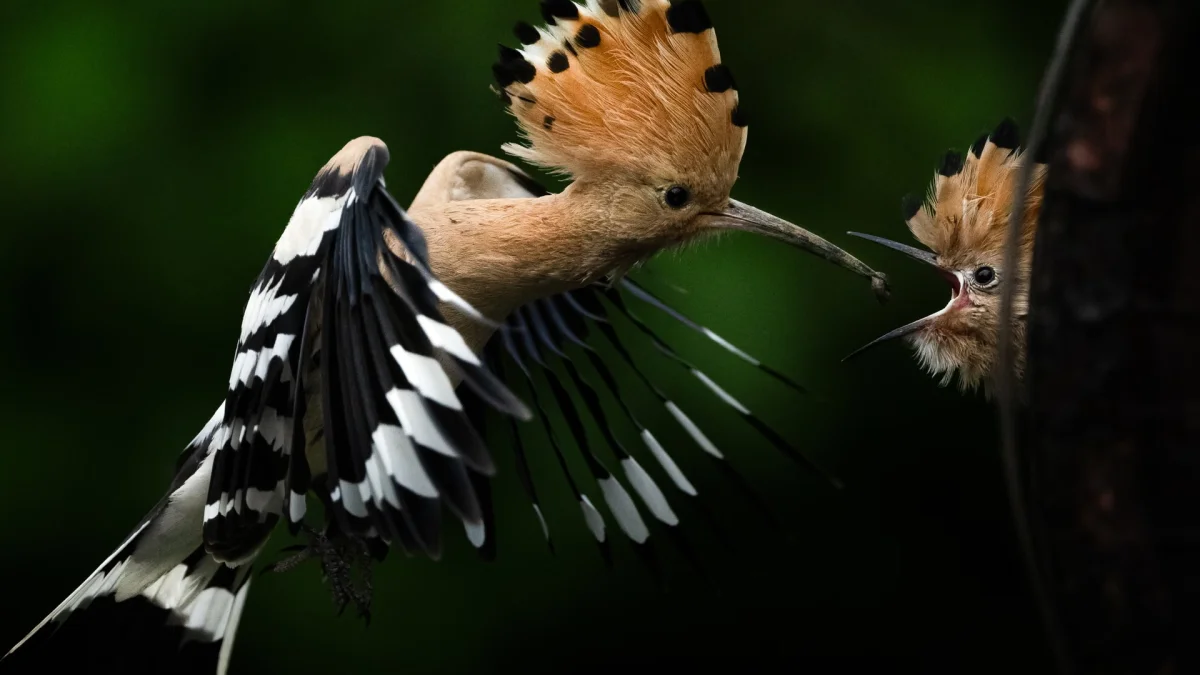
1. Hungry hoopoes, Bursa, Turkey
The week's opening image shows an adult hoopoe feeding chicks in a Turkish garden — the start of a story that bookends the gallery twenty frames later. Hoopoes are spring migrants; nesting success tracks insect emergence, which in turn follows soil warmth and dry feeding windows. Mid-June highs in Bursa often reach 26–30°C (79–86°F); thunderstorms can interrupt hunting sorties, while settled high pressure lets parents provision nests efficiently.
2. Cygnets on Dawlish Water, Devon
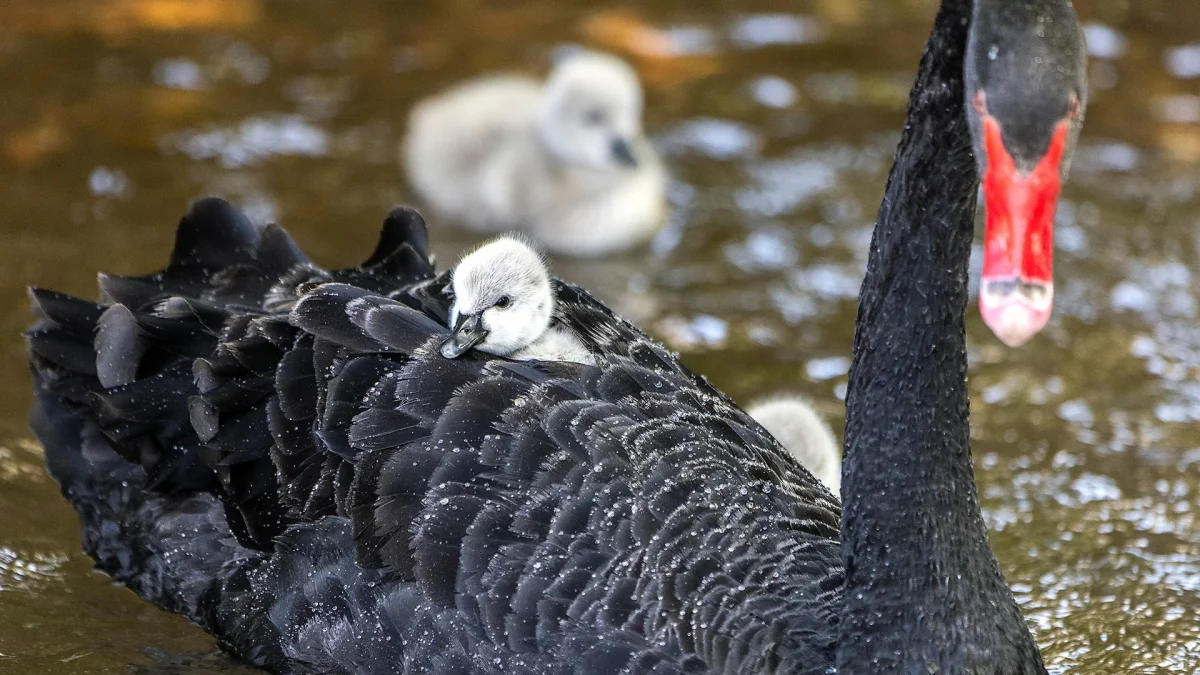
In Dawlish, Devon, cygnets from the town's famous dark swans make their first appearance along the brook, riding aboard a parent. Early-summer waterfowl broods need calm mornings and moderate temperatures — showery Atlantic fronts across south-west England can churn waterways, while warm, still days favour safe escorted swims along open channels.
3. Sea otter pup, Pacific Grove, California
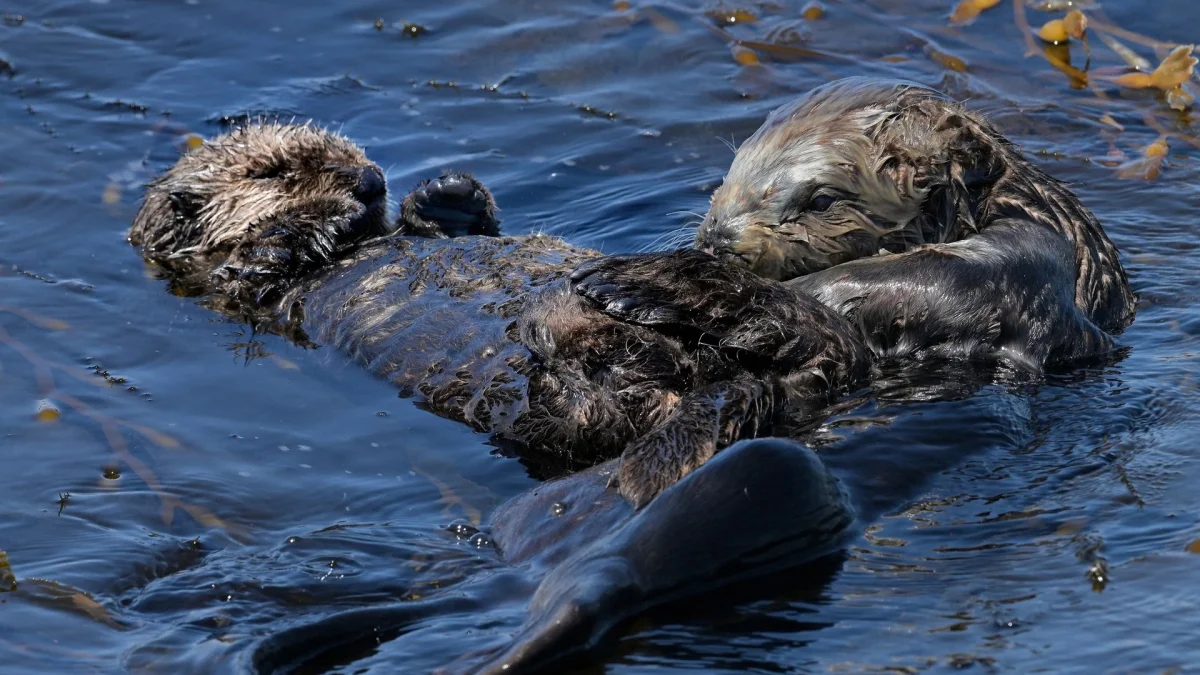
A mother sea otter wraps her pup in kelp for a nap off Pacific Grove. Pups cannot thermoregulate well; they depend on the cool California Current and morning marine fog. Pacific Grove June afternoons inland may reach 22–26°C (72–79°F), but the immediate coast often stays cooler until high pressure burns off the marine layer.
4. Pierre's wart frog, Kathmandu valley, Nepal
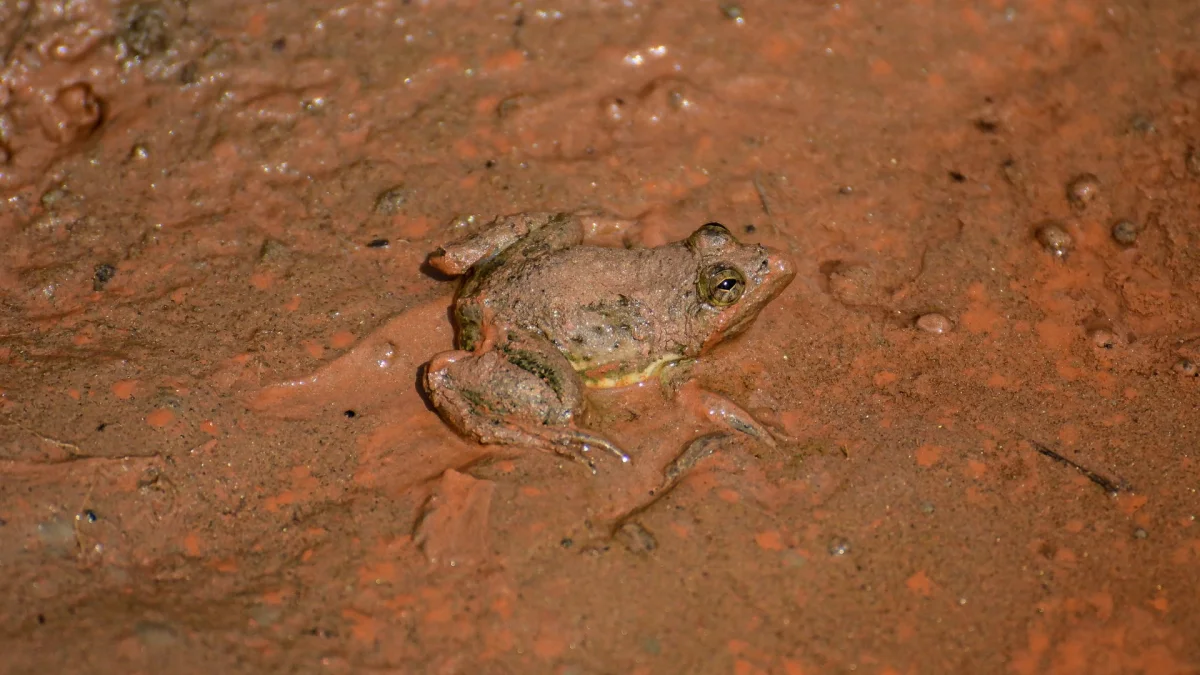
A Pierre's wart frog in the Kathmandu valley illustrates the monsoon transition: medium-sized amphibians tied to permanent pools and open grasslands become active as pre-monsoon heat builds and humidity rises. Kathmandu in June often sees afternoon highs near 28–30°C (82–86°F) with increasing thunderstorm frequency as the summer rains approach.
5. Hoverfly, Salisbury, Wiltshire
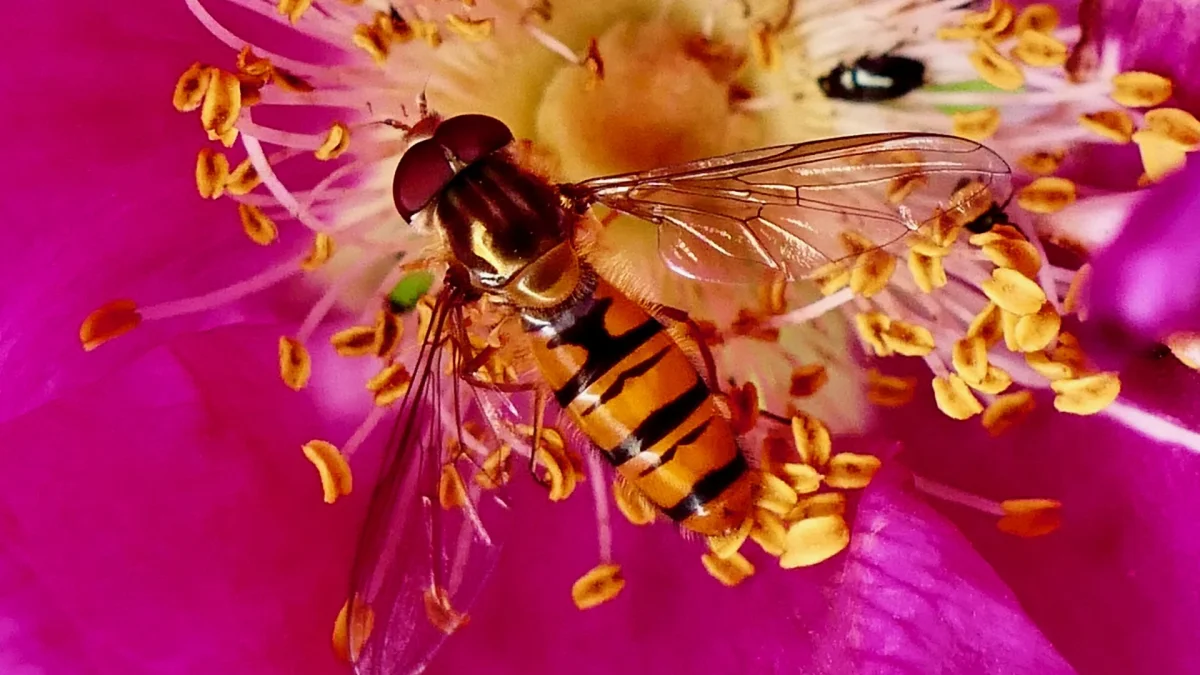
A hoverfly visits a bloom in Salisbury — peak pollinator season on the Salisbury Plain. Long June daylight and temperatures around 20–24°C (68–75°F) drive syrphid activity; a cold, wet week can truncate breeding, while warm, settled spells extend it.
6. Mugger crocodile, Yala, Sri Lanka
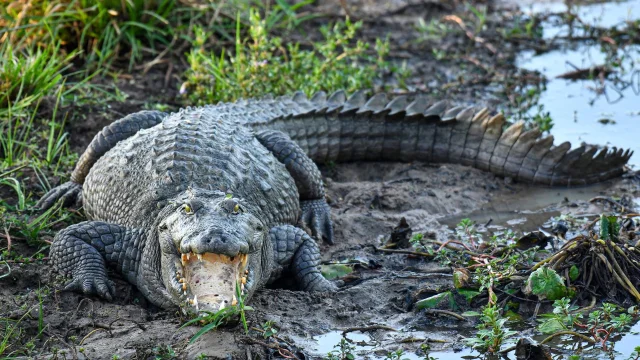
In Yala National Park, a mugger crocodile gaping to shed heat faces a hard limit: body temperatures above 38°C (100°F) risk fatal hyperthermia. June on Sri Lanka's south coast brings humid afternoons near 30–32°C (86–90°F) and monsoon downpours that briefly cool surface waters before steamy rebounds.
7. Pearl mullet and gulls, Van, Turkey
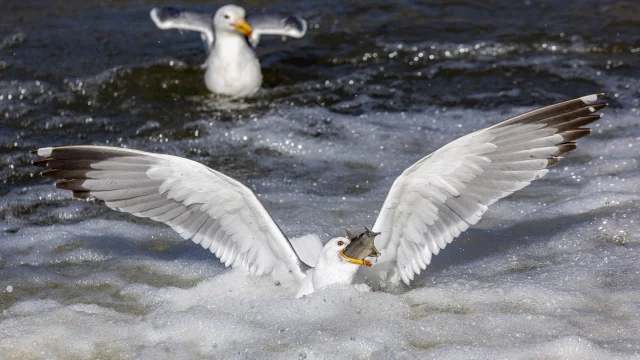
Gulls feast on pearl mullet as river levels fall near Van, exposing fish movement after weeks of high water. Spawning migrations track water temperature and flow; a sudden drop in level concentrates prey — and predators — along shallows.
8. Sika deer in the rain, Qiqihar, China
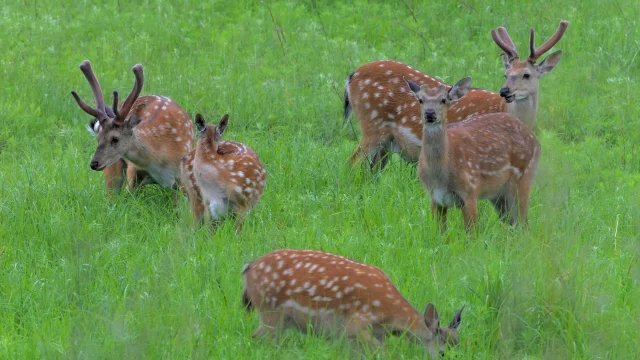
Sika deer forage through steady rain at a reserve near Qiqihar. June rainfall replenishes north-east China's meadows after winter; deer antler growth and fawning calendars follow the green-up that reliable moisture provides.
9. Ringtail, Oregon
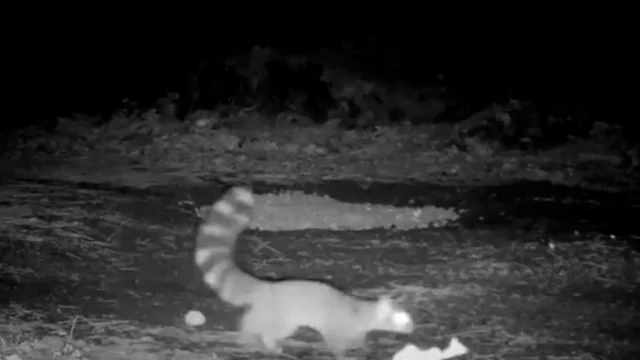
Rare camera footage captures a ringtail — a nocturnal relative of raccoons — in Oregon's Epstein Family Forest. Forest-restoration success often shows up first in cool, shaded microclimates that support elusive mammals; dry, overheated understories push nocturnal species deeper into ravines with reliable moisture.
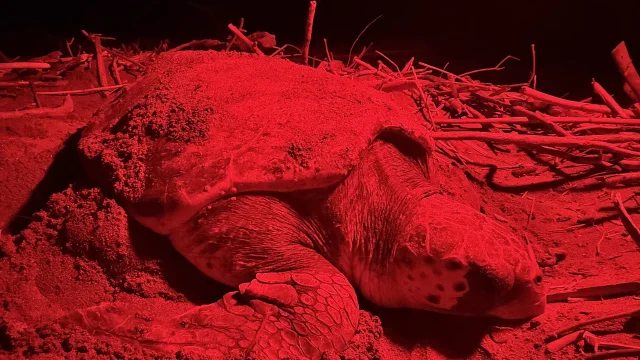
10. Loggerhead turtle, Belek, Turkey
An endangered loggerhead lays eggs on the Belek coast near Antalya. Nest success depends on sand temperature and calm nights; June air highs of 28–34°C (82–93°F) warm the beach, while stormy overnights can chill surface sand and discourage nesting.
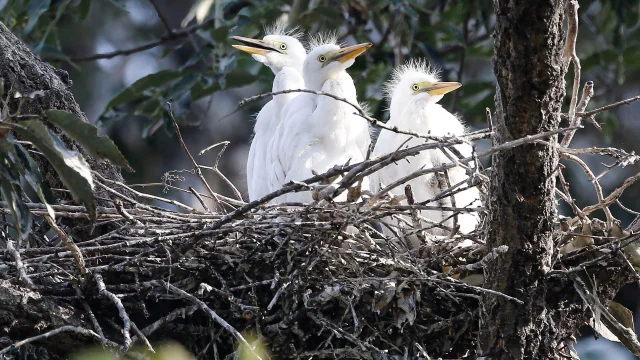
11. Egret chicks, Gimcheon, South Korea
Downy egret chicks wait in a nest in Gimcheon. Heron and egret colonies are sensitive to late-spring cold snaps and flooding rains that can chill exposed nests in riverside trees — a risk that rises during Korea's early summer rainy season.
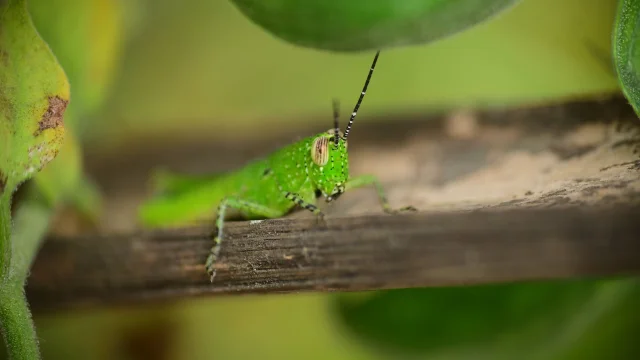
12. Grasshopper, Assam, India
A grasshopper rests in a garden in Assam, where pre-monsoon heat drives insect metabolism. Guwahati often sees humid afternoons above 32°C (90°F) in June; the arrival of sustained monsoon rains reshapes grassland food webs for the species that graze them.
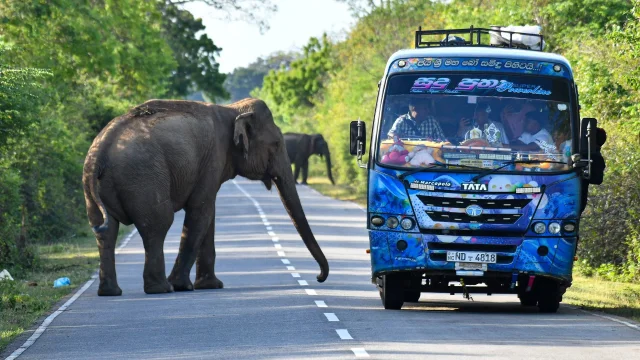
13. Elephant on the Yala road, Sri Lanka
An Asian elephant approaches vehicles on a road bordering Yala — behaviour that intensifies when heat and dry-season forage scarcity overlap. The same park that hosts heat-stressed crocodiles also concentrates large mammals along roads where motorists offer easy calories.
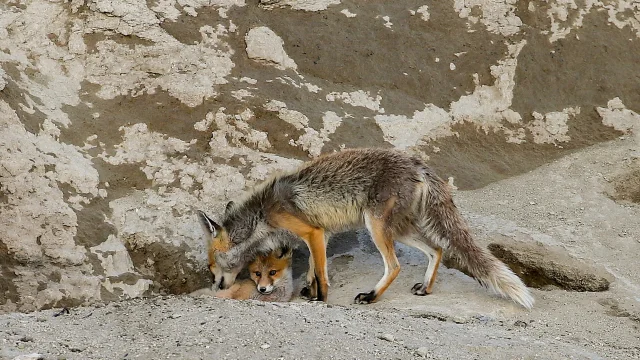
14. Red fox cub, Kars, Turkey
A red fox cub emerges with its mother near Kars after a long winter. Eastern Anatolia's brief summer window compresses den-rearing; cubs must learn hunting before autumn cold returns — a schedule tied to snowmelt, prey abundance, and lengthening days.
15. Dolphins, Istanbul
Dolphins surface in the Bosphorus and Sea of Marmara as researchers from WWF Turkey identify individuals by dorsal-fin marks. Water temperature, salinity stratification, and shipping traffic all shape cetacean distribution around Istanbul; summer warming can shift prey fish and with them the pods that follow.

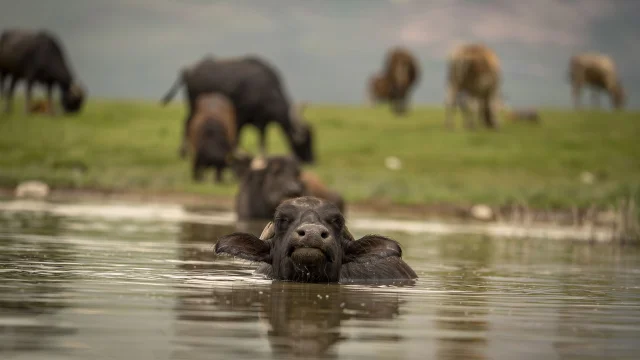
16. Buffalo after rains, Erzurum, Turkey
Buffalo wade through ponds formed by a recent rainy spell near Erzurum. High-plateau meadows depend on spring and early-summer precipitation; small pools that appear after rain become grazing hubs — a pattern visible from Turkey to the Asian steppe.
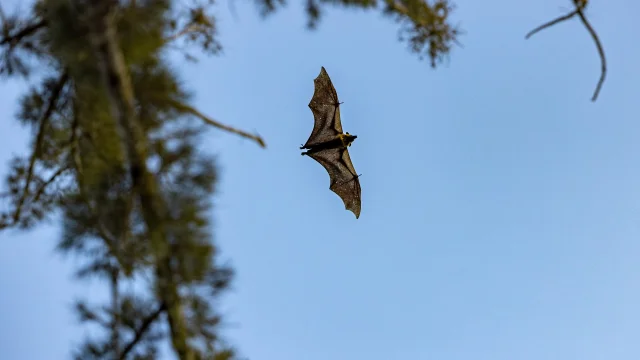
17. Fruit bat, Mongbwalu, DRC
A fruit bat flies near artisanal gold mines in the Democratic Republic of the Congo — a scene tied to public health as much as ecology. Bats roosting in poorly ventilated shafts illustrate how habitat disruption and human encroachment intersect; humid tropical conditions sustain both bat colonies and the pathogens they can carry.
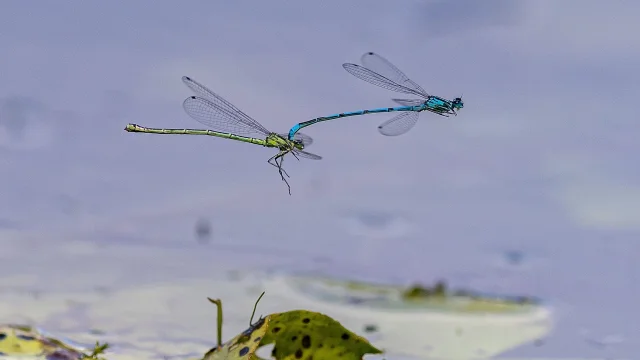
18. Damselflies, Moreton, Essex
Paired damselflies court at the water's edge in Moreton, Essex — a classic early-summer British wetland moment. Odonata emergence needs warm air temperatures and calm, sunny afternoons; a wet, windy June can delay mating flights across southern England.
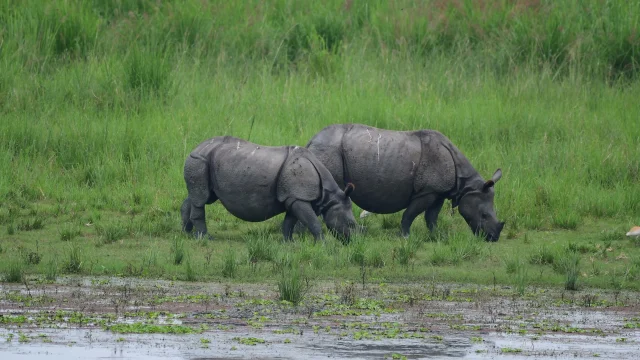
19. One-horned rhinos, Kaziranga, Assam
A pair of one-horned rhinoceroses graze in Kaziranga as the Brahmaputra floodplain greens ahead of the monsoon. Guwahati June heat builds before the rains; rhinos depend on renewed grass growth that follows reliable seasonal moisture across the park's wetlands.
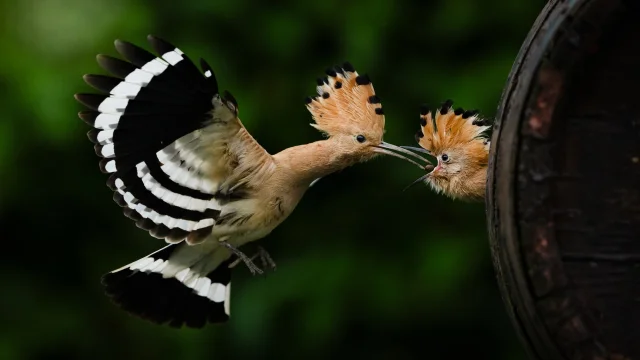
20. Hoopoe at the barrel nest, Bursa
The gallery closes where many viewers began emotionally: a hoopoe delivers dinner to a chick at the same Bursa barrel nest — the eighth consecutive year at this site, with three chicks raised in 2026. Long-term nest fidelity makes the bird a living weather diary: each season's insect booms, cold snaps, and storm tracks written into whether the chicks fledge.
Track conditions where wildlife was spotted
From turtle nesting nights on the Turkish coast to monsoon deer in north-east China, local forecasts turn these photographs into context. Check hourly conditions for Bursa, Antalya, Istanbul, Van, Kars, Erzurum, Colombo, Pacific Grove, Qiqihar, Salisbury, Kathmandu, Gimcheon, and Guwahati on SatMeteo, and use the live temperature map to follow heat and rainfall patterns as summer advances worldwide.