



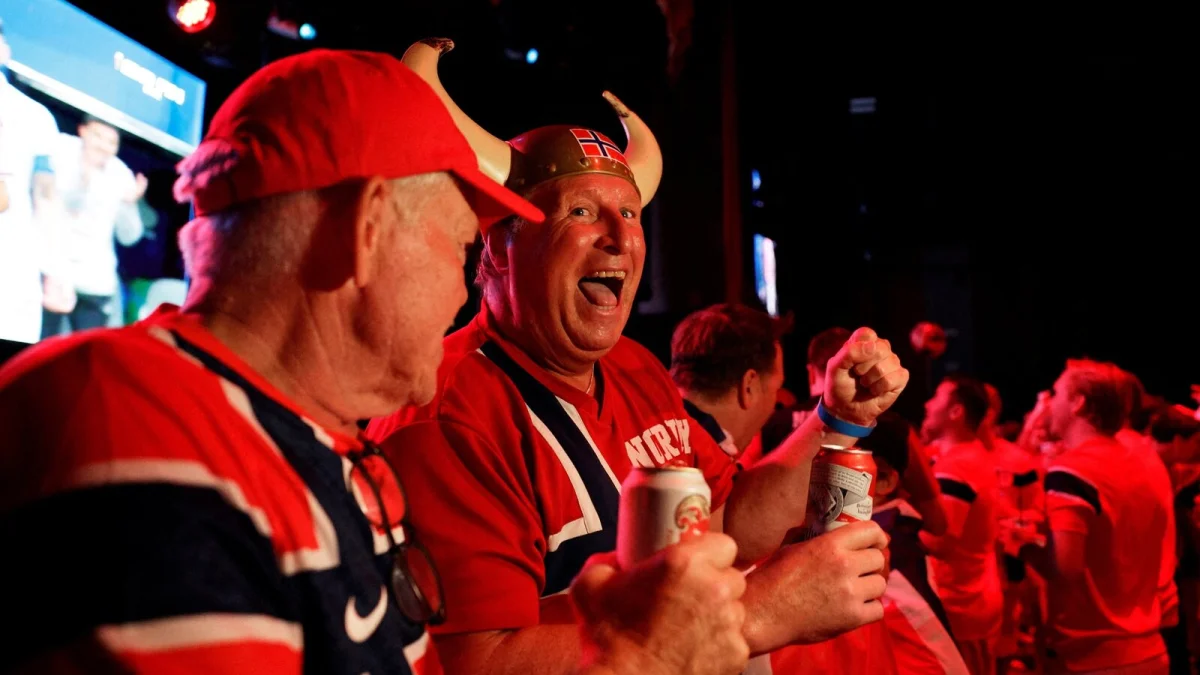
As hundreds of thousands of international visitors descend on the United States for the FIFA World Cup 2026, many are documenting more than just the action on the pitch. Across TikTok, Instagram and X, fans from Scotland, Sweden, Germany, Brazil and Japan are sharing their reactions to uniquely American experiences — from sprawling supermarket aisles and self-serve ice dispensers to oversized pickup trucks, 24-hour diners and what many describe as exceptionally friendly customer service.
The videos have become a viral subgenre of World Cup content, offering Americans a glimpse into how everyday parts of life in the U.S. appear through the eyes of foreign visitors — and, in host cities from Boston to New York City and Seattle, reshaping how locals see their own streets.
Consuming daily life, not just landmarks
Many visitors have expressed surprise at conveniences Americans often take for granted: free ice at drink stations, unlimited soda refills, late-night Waffle House runs, Buc-ee's pit stops and cheerful grocery clerks. Dr. Rachel J.C. Fu, chair of tourism and hospitality at the University of Florida, told ABC News on 16 June that "what Americans consider ordinary is often extraordinary to visitors."
"Travel researchers have long found that tourists do not simply consume landmarks; they consume daily life," she said. "A giant supermarket aisle, free ice water, refillable drinks or a cheerful grocery clerk may be just another Tuesday for Americans, but for someone visiting from Scotland, Brazil or Japan, these experiences are fascinating cultural discoveries."
Fu noted that travellers increasingly use social media to highlight unexpected discoveries rather than stadium selfies: "Travelers today want to show, 'Look what I discovered,' rather than simply posting another stadium selfie."
Viral posts from the road
Swedish fan Elsa Thora, visiting the U.S. for the first time ahead of Sweden's World Cup fixtures, has built a large following by reacting with wonder to diners, yellow school buses and American snack aisles. Her posts stay deliberately apolitical — a wholesome counterpoint to heavier news cycles — and have resonated with Americans eager to see their country through fresh eyes.
After landing in Indiana, Thora tried ranch dressing for the first time and joked it was "like crack" — a line that launched her into the centre of the viral trend. She has since documented Trader Joe's runs, Twinkies from a gas station and oversized drinks with equal enthusiasm.
A German fan known as Freddy on X has drawn millions of views chronicling a six-week road trip through the American South — Taco Bell, Waffle House, Buc-ee's and suburban architecture included. Transportation Secretary Sean Duffy even shared one of his posts, writing that "to LOVE AMERICA you have to SEE AMERICA." The phenomenon is less about politics than about rediscovering ordinary American culture through visitors' delight.
Boston becomes "New Scotland"
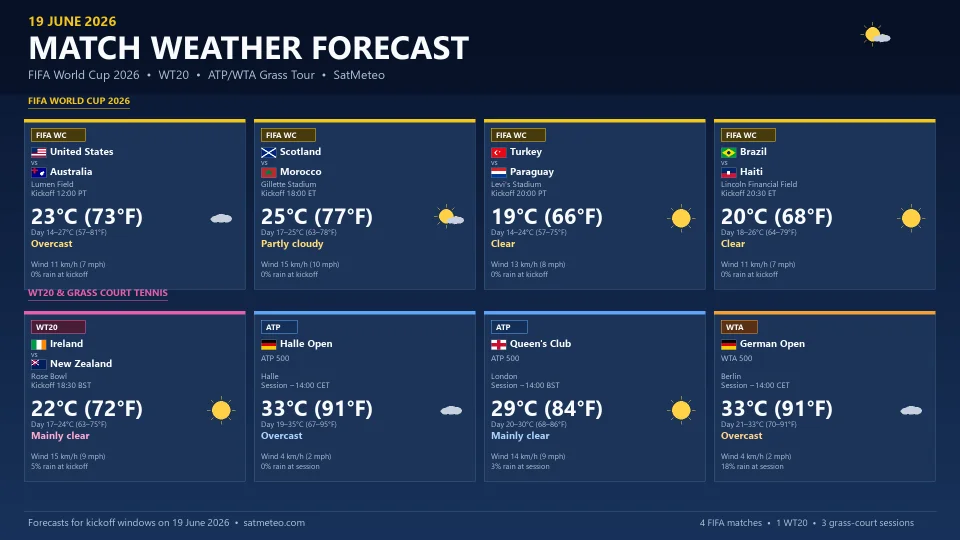
Perhaps nowhere has the World Cup cultural exchange been more visible than in Boston, where an influx of Scottish supporters — the Tartan Army — has prompted social media users to jokingly rename the city "New Scotland." Tourism officials estimate as many as 50,000 Scots descended on the metro area for Group C fixtures at Gillette Stadium in Foxborough, including Haiti vs Scotland on 13 June and Scotland vs Morocco on 19 June.
"Over the past week, you can't go anywhere in Boston without seeing fans in kilts walking around," Jim Rooney, president and CEO of the Boston Chamber of Commerce, told ABC News. "They've been all over the place and it's brought some energy and life."
Videos show Scottish fans singing in pubs, marching through Faneuil Hall and the North End, turning a Red Sox game into a chorus of soccer chants, and even topping statues with traffic cones — a Glasgow tradition transplanted to the Public Garden. Boston content creator Shawn Moran, known as @shawninboston, told ABC that seeing the city embrace Scottish fans has been one of the most uplifting aspects of the tournament so far.
At Faneuil Hall, a Scottish bagpiper and a local bucket drummer improvised a duet that captured the spirit of the exchange — two cultures meeting on a sidewalk neither would have planned six months ago.
The Mike Morrison friendship story
Not every viral moment unfolded in a downtown pub. In suburban Wakefield, Massachusetts, resident Mike Morrison heard bagpipes at 6:30 a.m. and discovered that Scottish fans had arrived overnight at an Airbnb across the street — flags on the fence, kilts in the driveway, pipes in the morning air. He posted the clip to X; it quickly drew millions of views.
What followed was a cross-cultural friendship: Morrison joined the group for drinks, hosted a sausage breakfast, received gifts for his children, and was later offered a ticket to Scotland vs Morocco by a Scottish supporter named Helen. Fu told ABC that interactions like these are often what visitors remember longest: "A visitor may forget the final score, but they will remember the Uber driver who recommended a local barbecue restaurant, the volunteer who helped them find the train station or the stranger who said, 'Welcome to America.'"
Americans watching through fresh eyes
Marina De Buchi, a British entrepreneur and content creator living in California, told ABC that many World Cup visitors' reactions mirror her own first impressions of the U.S. — especially American friendliness. "A lot of people say Americans are fake and I just don't think that's true," she said. "I think Americans are just really nice and friendly."
De Buchi's advice to visitors seeking the full American experience is simple: "Just indulge in it. Because there's just so much here." Fu added that the World Cup is "one of the greatest cultural classrooms on Earth" — a tournament where communities discover shared humanity beneath different accents and team loyalties.
June weather for visiting fans
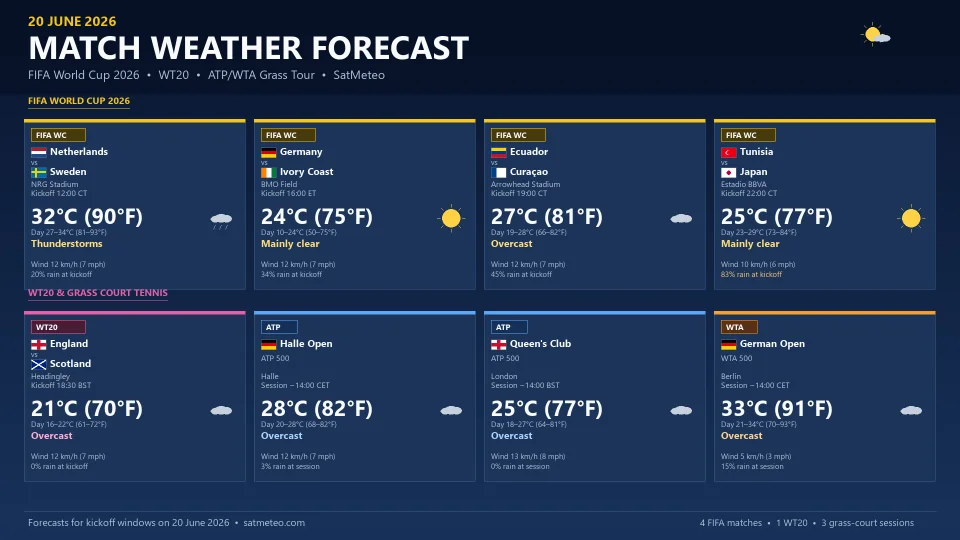
For fans moving between host cities, early-summer weather shapes the experience as much as any viral supermarket run:
- Boston: June afternoons typically reach 24–28°C (75–82°F) with moderate humidity. Evening kickoffs at Foxborough cool toward 18–22°C (64–72°F) — comfortable for kilts and outdoor pub crawls, though afternoon sightseeing can feel muggy before sea breezes arrive.
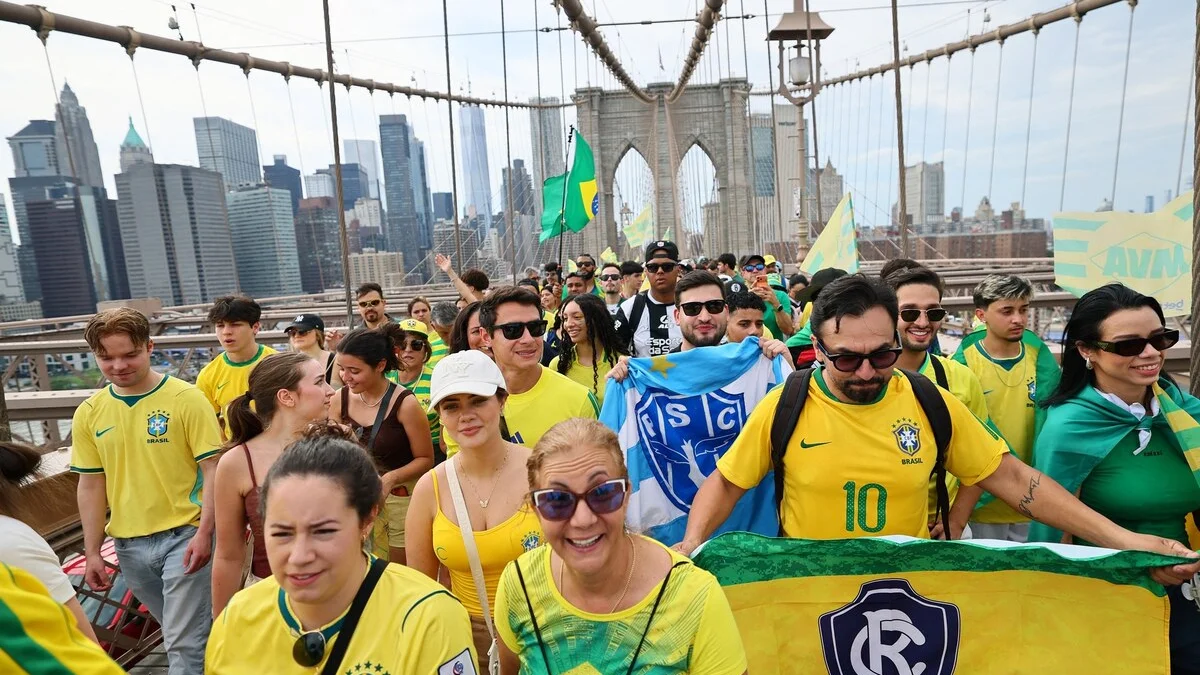
- New York City: Mid-June highs near 27°C (81°F) with warm nights above 20°C (68°F). Times Square watch parties and Brooklyn Bridge walks reward light clothing and water bottles; brief thunderstorms can interrupt outdoor plans between 15:00 and 20:00 local.
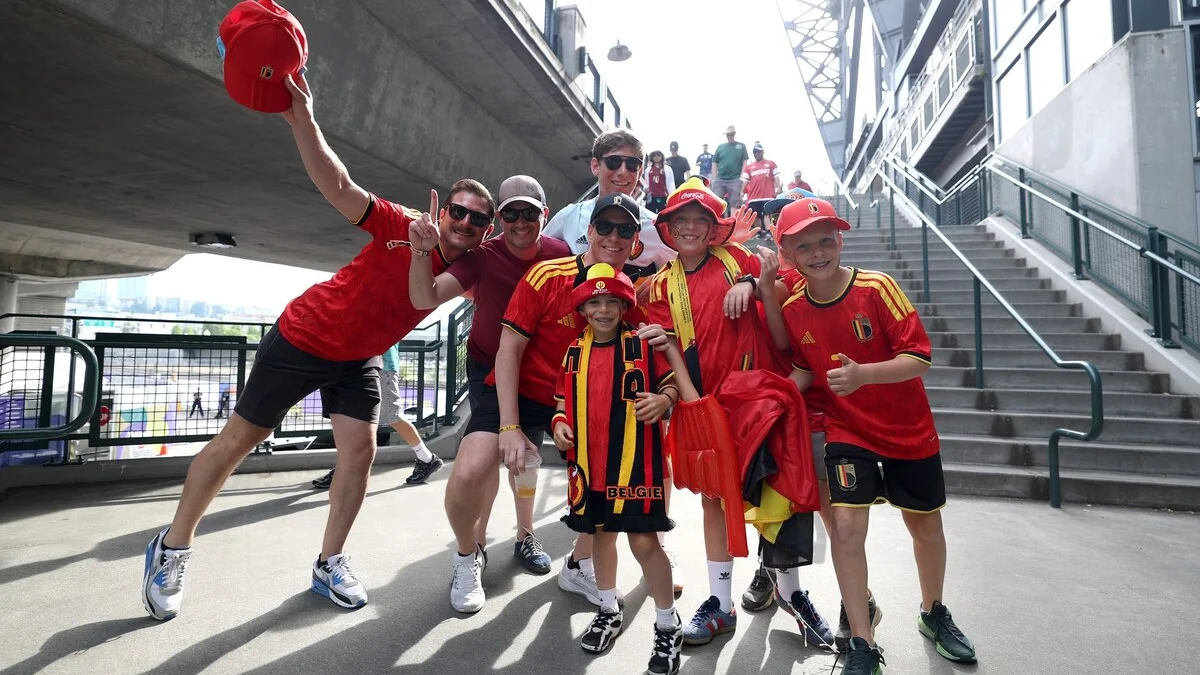
- Seattle: Cooler and drier than the Northeast — daytime highs often 21–25°C (70–77°F) with long daylight. Pacific breezes keep stadium evenings mild; pack a light layer for after sunset even when afternoons look sunny.
Track World Cup host-city weather on SatMeteo
From viral supermarket runs and Tartan Army singalongs to kickoff conditions at Gillette Stadium, weather will keep shaping how visitors experience the tournament. Follow Haiti vs Scotland and Scotland vs Morocco, browse the full World Cup 2026 schedule, check hourly outlooks for Boston, New York City and Seattle, and use the live temperature map to compare heat building across North American host regions in real time.