
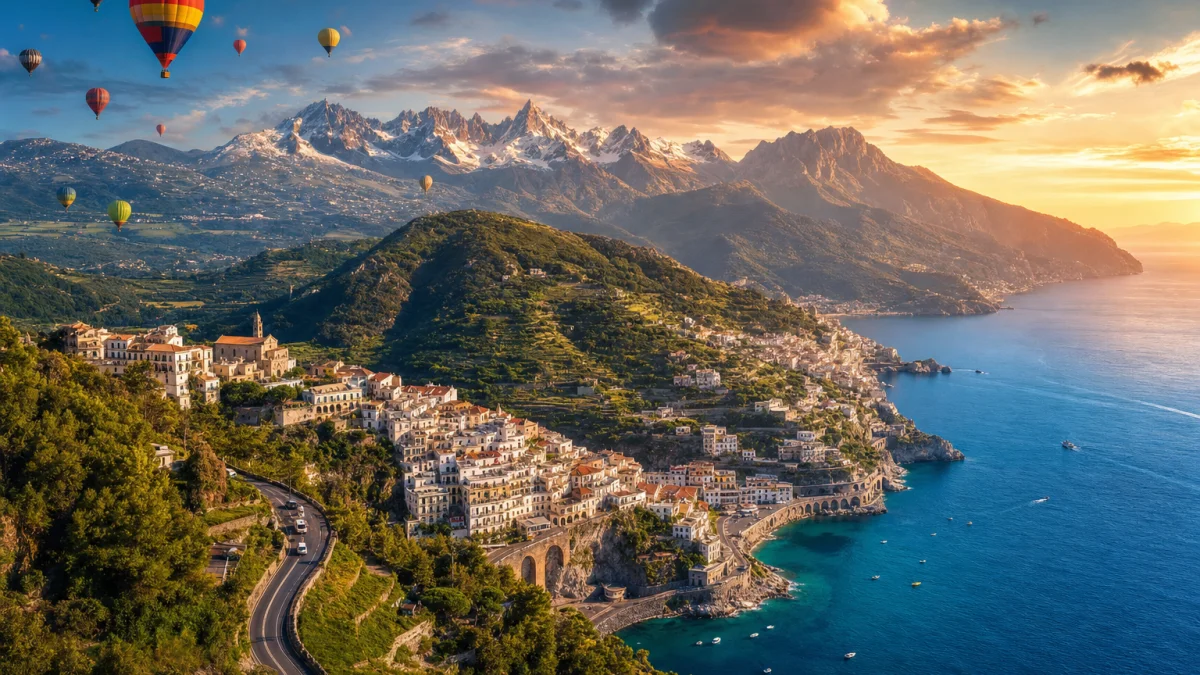
Travel in 2026 is being shaped by more than postcard scenery. A convergence of global events — the FIFA World Cup across North America, the legacy of the Milan–Cortina Winter Olympics, the United States' 250th anniversary, and a total solar eclipse over northern Spain — is drawing visitors toward destinations with both cultural depth and a reason to go now. At the same time, travellers are favouring cities that residents themselves rate highly: walkable, affordable, and rich in food and nightlife rather than purely iconic landmarks.
Time Out's tenth-annual Best Cities ranking, based on responses from more than 24,000 locals across 150 cities, reflects that shift. Smaller and second cities sit comfortably beside global capitals. National Geographic's Best of the World 2026 list pushes beyond urban centres toward alpine ranges, Indigenous-led wilderness parks, and coastlines where conservation and access are improving. Together, these guides point to a year defined by experience-led travel — not just where to go, but why 2026 is the right moment.
Trends shaping travel in 2026
Several patterns recur across major 2026 destination lists:
- Resident-rated cities: Time Out weights liveability, culture, affordability and happiness — metrics that reward cities working well for people who live there, not only those passing through.
- Secondary cities over saturated hubs: Edinburgh, Guadalajara, Porto and Halifax appear alongside London and New York, reflecting a broader appetite for depth over density.
- Event-driven travel: World Cup host cities, Olympic venues, eclipse paths and milestone anniversaries give travellers a fixed calendar anchor.
- Purpose and place: National Geographic highlights Indigenous-led parks, marine reserves, and long-distance trails — destinations where the journey itself is the draw.
Cities locals rate highest
Time Out's top ten for 2026 blends familiar names with rising contenders. Five stand out for distinct reasons — and each rewards a slightly different kind of trip.
1. Melbourne, Australia
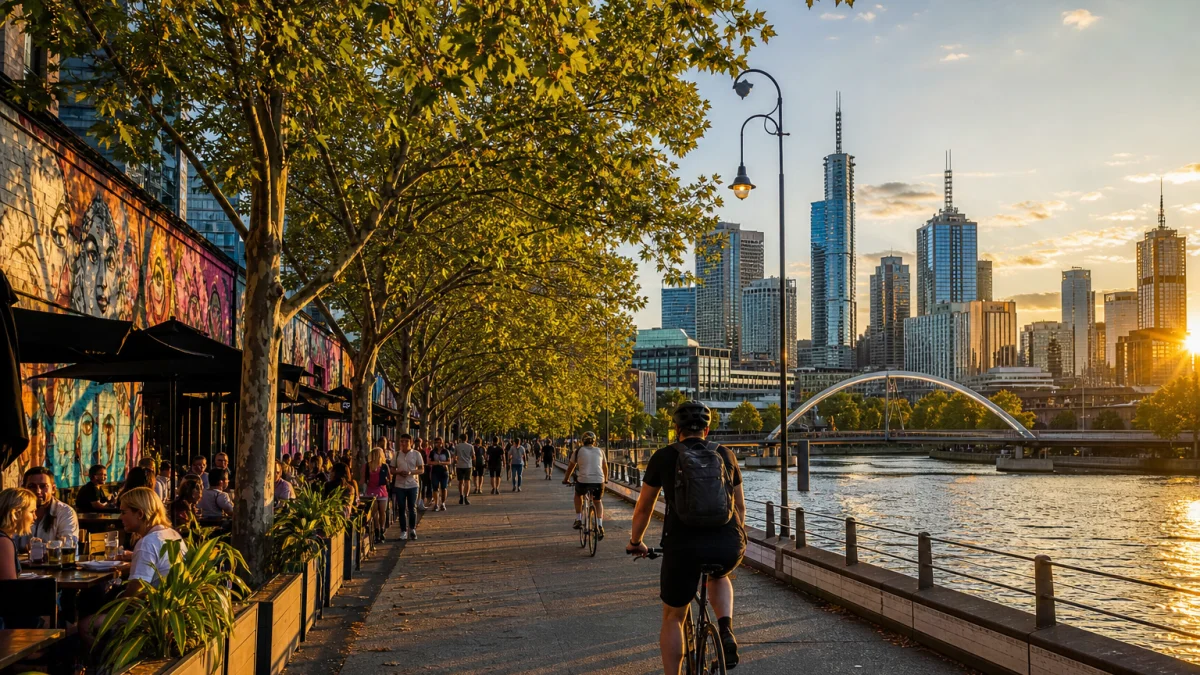
For the first time in the ranking's ten-year history, Melbourne takes the top spot. Locals praise the city's food scene — cited by 94% of respondents — alongside indie cinemas, rooftop bars, vinyl shops and heritage architecture along the Yarra River. Laneways layered with murals and world-class gardens give the city a neighbourhood feel despite its scale. Best months: March to May and September to November for mild temperatures and festival season without peak summer crowds.
2. Edinburgh, United Kingdom
Edinburgh ranks third globally and first in Europe in Time Out's 2026 list. The medieval Old Town, Georgian New Town and walkable scale make it one of the continent's most complete city breaks. The Edinburgh Festival Fringe — the world's largest arts festival — runs through August, while winter brings Hogmanay celebrations and a quieter, atmospheric Royal Mile. Best months: May to September for long daylight and outdoor events; December for festive atmosphere.
3. Cape Town, South Africa
Cape Town holds sixth place after topping the ranking in 2025 — a reminder that the "Mother City" remains in elite company. Table Mountain, the Atlantic seaboard, Constantia wine lands and a restaurant scene that rivals any on the continent define the experience. Kirstenbosch botanical gardens, Bo-Kaap's colour-washed streets and day trips to the Cape Winelands reward a week rather than a weekend. Best months: November to March for warm, dry summer; September and October for whale watching and fewer visitors.
4. Mexico City, Mexico
Mexico City ranks seventh on Time Out's list and takes on added significance as a FIFA World Cup 2026 host. Beyond match days at Estadio Azteca, the capital offers world-class museums — including the reimagined Museo Nacional de Antropología — street-food markets from Roma Norte to Coyoacán, and neighbourhoods where colonial architecture meets contemporary design. Best months: March to May and October to November for comfortable temperatures and lighter rainfall.
5. Tokyo, Japan
Tokyo rounds out Time Out's top ten. The city balances ancient ritual with relentless reinvention: summer festivals such as the 400-year-old Fukagawa Matsuri, museum exhibitions across Marunouchi and Roppongi, and new attractions including an open-air Pokémon theme park. Cherry blossom season draws the largest crowds; later months offer a different rhythm. Best months: March to April for sakura; October to November for clear skies and autumn colour; avoid peak humidity in July and August if outdoor comfort is a priority.
Beyond the city limits
National Geographic's Best of the World 2026 list looks past urban rankings toward landscapes and regions where infrastructure, conservation, or celestial events make this year especially compelling.
The Dolomites, Italy
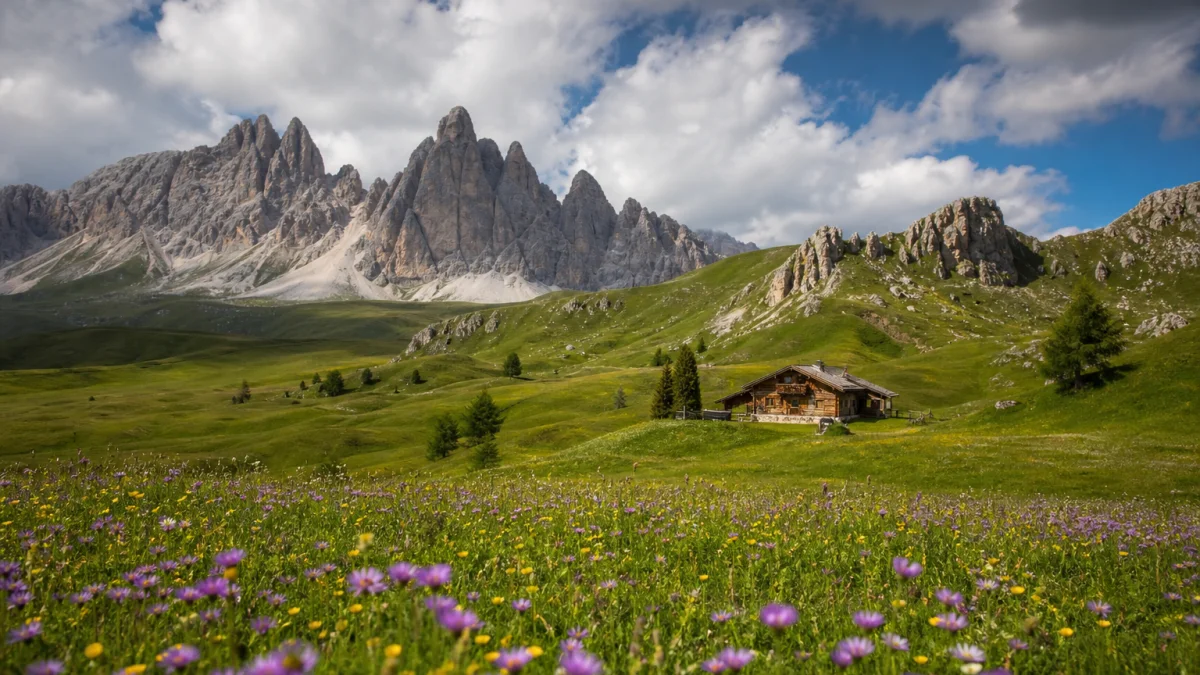
The Milan–Cortina Winter Olympics put the Dolomites under a global spotlight in early 2026, but the range rewards summer visitors equally. Cortina d'Ampezzo connects to Dolomiti Superski — the world's largest linked ski area — while summer lifts open meadows of purple snowbells and yellow poppies beneath sculptural limestone spires. Field-to-table restaurants and renovated boutique hotels, including the Aman Rosa Alpina in San Cassiano, reflect a region investing in hospitality beyond the Games. Best months: June to September for hiking and via ferrata routes; December to March for skiing.
Basque Country, Spain
On 12 August 2026, a total solar eclipse crosses northern Spain, and the Basque Country sits in the path of totality. Bilbao — home to the Guggenheim Museum and a pintxos culture that turns bar-hopping into an art form — and inland Vitoria-Gasteiz offer architecture, cuisine and eclipse-viewing vantage points along a rugged Atlantic coastline. Best months: May to October for coastal walks and outdoor dining; August specifically for the eclipse, with accommodation booking well in advance.
Banff, Alberta, Canada
Banff was named National Geographic's Readers' Choice winner for Best of the World 2026 — a rare honour for a destination that already sits on many bucket lists. Lake Louise, Moraine Lake and Banff Avenue deliver the postcard Rockies experience, while wildlife encounters — elk, bighorn sheep, occasional grizzly sightings — remain part of daily life rather than a staged attraction. Best months: June to September for hiking and lake access; December to March for skiing at Sunshine Village and Lake Louise.
How to choose your 2026 destination
With so many compelling options, the most satisfying trips often start with a single priority rather than a checklist:
- Food and nightlife: Melbourne, Mexico City and Tokyo lead on restaurant density and after-dark energy.
- History and walkability: Edinburgh's compact core rewards slow exploration on foot.
- Nature and wine: Cape Town combines mountain, ocean and vineyard within an hour's drive.
- Sport and spectacle: Mexico City and North American World Cup host cities anchor event-led itineraries.
- Alpine adventure: The Dolomites and Banff suit hikers, skiers and photographers equally.
- Once-in-a-lifetime moments: The Basque Country eclipse on 12 August 2026 is a fixed date worth building a trip around.
Plan your trip with SatMeteo
Even a culture-first itinerary benefits from a quick look at conditions before you book. Check live forecasts for Melbourne, Edinburgh, Cape Town, Mexico City and Tokyo to compare temperatures and rainfall across your shortlist — and use the live temperature map to see how seasonal patterns differ between hemispheres before you commit to dates.